
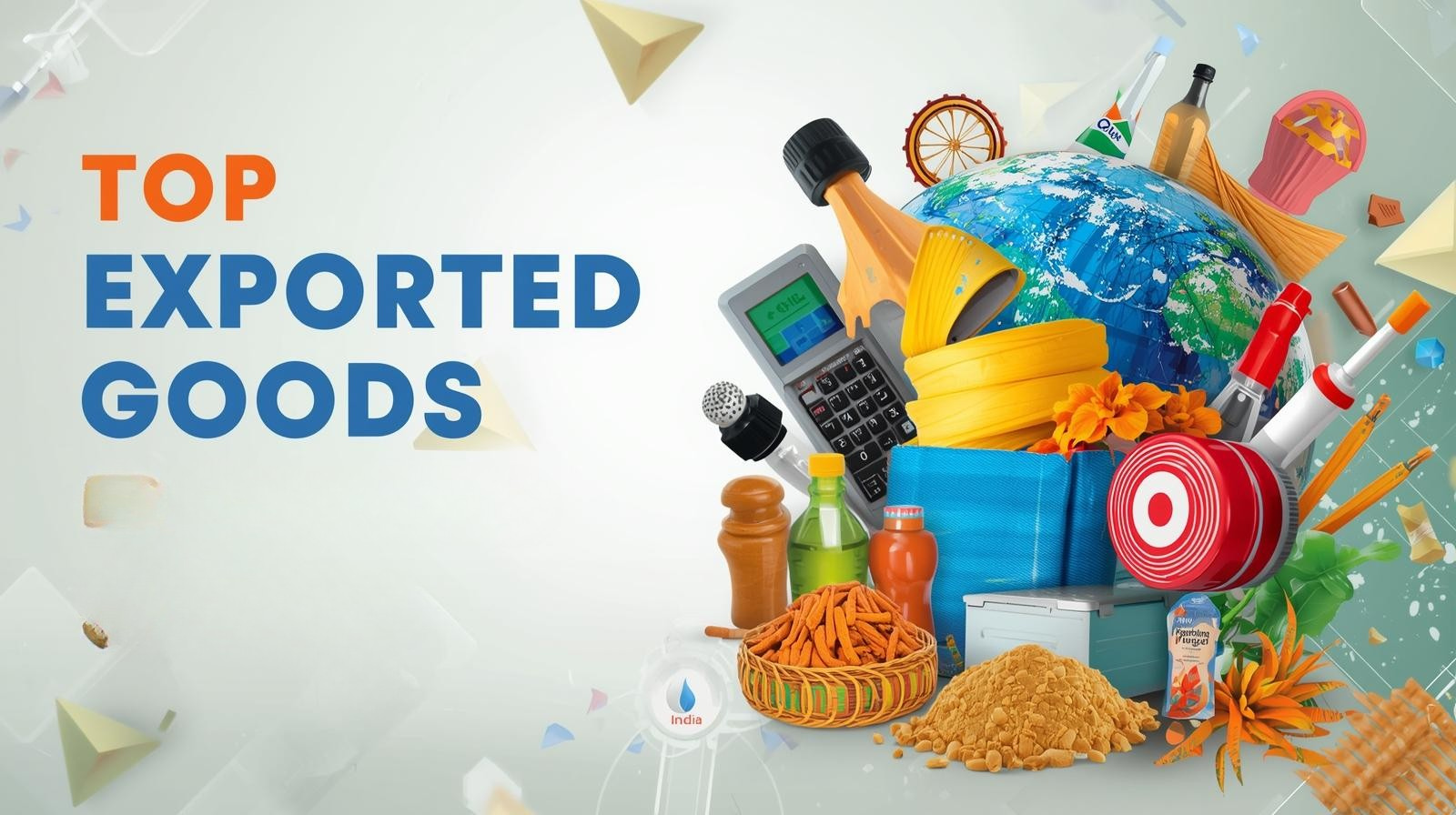
Top Exported Goods from India
India has emerged as a global export hub, offering a diverse range of export products from India that cater to international demand. The top exports of India include petroleum products, gems and jewelry, pharmaceuticals, textiles, and engineering goods. India is the largest producer of spices, milk, and pulses, while India is the largest exporter of rice, tea, and software services, contributing to a strong global trade presence.
For entrepreneurs exploring how to start export business in India, sectors like agriculture, textiles, and handicraft export from India offer great opportunities. The list of products exported from India is constantly expanding with new product launch in India across innovative and sustainable categories. DGFT export incentives and supportive trade policies encourage businesses to grow their export business efficiently.
India’s export success reflects the India export growth in last 10 years, driven by strong demand export items India and effective marketing goods for export strategies. Organizations like the Indian Institute of Commerce and Trade provide essential training and resources, while freedom of trade and commerce under Indian Constitution ensures open trade practices. With its wide range of major export products of India, the country continues to strengthen its position among the highest export country globally, empowering trade-driven economic growth.
Key Insights:
- India’s export portfolio is diverse, ranging from traditional goods (like textiles and spices) to modern sectors (like IT and pharmaceuticals).
- Petroleum, gems, and pharma lead the export chart year after year.
- Government schemes like RoDTEP and Make in India continue to strengthen the export ecosystem.
- India’s focus is shifting toward high-value and sustainable exports to maintain global competitiveness.
India’s Position in Global Exports
India has steadily strengthened its position in global trade through a diverse portfolio of export products from India that reach markets worldwide. With consistent India export growth in last 10 years, the nation has become a key player among the highest export country group. India is the largest producer of spices, textiles, and pharmaceuticals, and India is the largest exporter of rice, IT services, and jewelry—making it a vital contributor to global supply chains.
The major export products of India include engineering goods, petroleum products, and handicraft export from India, all of which reflect the country’s craftsmanship and innovation. Entrepreneurs looking to learn how to start export business in India can explore the list of products exported from India and choose the best product to export from India based on global demand export items India.
Government initiatives like DGFT export incentives have simplified marketing goods for export, empowering businesses to expand globally. Organizations such as the Indian Institute of Commerce and Trade provide guidance to boost the export business further. Moreover, the freedom of trade and commerce under Indian Constitution ensures open-market principles that encourage goods exports from India. With every new product launch in India, the country’s role in global exports continues to evolve, reflecting growth, innovation, and economic resilience.
Top Export Categories Exported from India
1. Petroleum Products
Petroleum products are India’s largest export contributor, including refined petroleum, diesel, and fuel oils. With consistent global energy demand, exporters benefit from high profit margins and government-backed energy export incentives.
2. Gems and Jewellery
India leads globally in gems and jewellery exports, especially diamonds, gold ornaments, and precious stones. Major markets include the USA, UAE, and Hong Kong, offering exporters lucrative profits and stable foreign exchange inflows.
3. Pharmaceuticals
Known as the “Pharmacy of the World,” India exports generic drugs, vaccines, and APIs to numerous countries. Exporters gain from global trust in affordable, quality medicines and strong DGFT export incentives.
4. Engineering Goods
Engineering exports include automobiles, machinery, and industrial equipment, mainly to Africa, Europe, and Southeast Asia. Exporters benefit from expanding infrastructure projects, technological advancement, and consistent international business partnerships.
5. Agricultural Products
India exports rice, spices, tea, coffee, and marine items known for quality and flavor. Exporters enjoy steady global demand, diverse markets, and support through government agricultural export promotion schemes.
6. Textiles and Apparel
Textile exports—cotton garments, fabrics, and ready-made clothing—are India’s traditional export strength. Exporters gain from low manufacturing costs, high craftsmanship, and continuous demand from the USA and EU markets.
7. Chemicals and Organic Compounds
Exports include organic and inorganic chemicals, dyes, and fertilizers used globally in manufacturing and agriculture. Exporters profit from strong industrial demand and India’s competitive chemical production capabilities.
8. IT and Software Services (Non-Tangible Exports)
India’s IT sector, led by firms like TCS, Infosys, and Wipro, dominates global outsourcing and digital exports. Exporters benefit from foreign contracts, steady revenue flow, and worldwide technological demand.
Factors Driving India’s Export Growth
1. Government Incentives (like RoDTEP, MEIS, SEIS)
Government schemes such as RoDTEP, MEIS, and SEIS significantly boost exports by refunding taxes, reducing trade costs, and encouraging competitiveness. These incentives make Indian goods more affordable and attractive globally.
2. Strong Manufacturing Base and Skilled Workforce
India’s robust manufacturing sector, supported by skilled labor and advanced infrastructure, drives export growth. Industries like pharmaceuticals, textiles, and engineering benefit from high production capacity and cost efficiency.
3. Expanding Trade Agreements and Global Demand
India’s growing network of trade agreements and rising global demand strengthen its export position. Bilateral and regional partnerships open new markets, promoting economic growth and global trade expansion.
Challenges Faced by Indian Exporters
The challenges faced by Indian exporters include logistical inefficiencies, complex documentation, intense global competition, and fluctuating international demand. These issues often lead to higher costs, delayed shipments, and reduced profit margins. Despite strong export potential, such barriers hinder India’s ability to fully capitalize on global trade opportunities and sustain long-term export growth.Here below are some of the categories which comes under it are as follows.
1. Logistics and Infrastructure Bottlenecks
Inadequate port facilities, high freight costs, and slow transportation networks increase export delays. These logistics challenges reduce India’s trade efficiency and competitiveness in the global supply chain.
2. Global Competition and Fluctuating Demand
Indian exporters face tough competition from countries like China and Vietnam. Unpredictable global demand and price fluctuations impact profit margins and long-term business stability.
3. Compliance and Documentation Hurdles
Complex export documentation, changing trade policies, and compliance with international standards create delays and additional costs, discouraging new exporters and affecting timely delivery of goods worldwide.
Conclusion:
In conclusion, India’s export sector showcases remarkable strength and diversification, spanning from petroleum and pharmaceuticals to textiles, agriculture, and IT services. This broad export base highlights the nation’s economic resilience and global reach. To sustain and expand its position in international trade, continuous innovation, superior product quality, and adherence to global standards are essential. By combining traditional expertise with modern technology, India can further enhance its export competitiveness and solidify its role as a key player in the global marketplace.
FAQ:
1. What are the top exported goods from India?
India’s major exports include petroleum products, gems and jewellery, pharmaceuticals, engineering goods, agricultural products, textiles and apparel, chemicals, and IT & software services.
2. Which product contributes the most to India’s export earnings?
Petroleum products are the largest contributor to India’s export revenue, followed by gems and jewellery and pharmaceutical products.
3. Why is India known as the “Pharmacy of the World”?
India earns this title due to its large-scale export of generic medicines, vaccines, and Active Pharmaceutical Ingredients (APIs) to more than 200 countries globally.
4. Which countries are the top destinations for Indian exports?
The United States, United Arab Emirates, China, Bangladesh, and the Netherlands are among the leading importers of Indian goods and services.
5. How do government schemes like RoDTEP and MEIS help exporters?
Schemes such as RoDTEP (Remission of Duties and Taxes on Exported Products) and MEIS (Merchandise Exports from India Scheme) provide incentives to make Indian products more competitive globally here in it.
6. What are the best products to export from India for new exporters?
New exporters often start with handicrafts, spices, textiles, leather goods, and organic food products, as they have high international demand and lower entry barriers.
7. How has India’s export growth performed in the last 10 years?
India has shown consistent export growth over the past decade, driven by diversification, trade liberalization, and the rise of technology-based industries.
8. What challenges do Indian exporters face today?
Exporters often struggle with logistics bottlenecks, fluctuating global demand, and compliance-related documentation, which can affect efficiency and profitability.
9. What role does the DGFT play in India’s export system?
The Directorate General of Foreign Trade (DGFT) formulates export policies, provides licenses, and manages incentive schemes to support and regulate India’s export trade.
10. Why is export diversification important for India’s economy?
Diversifying exports helps India reduce dependence on a few sectors, withstand global market shocks, and promote balanced and sustainable economic growth here in it.
Related Posts:
DGFT IEC Registration: Step-by-Step Guide for New Exporters
RoDTEP Scheme Explained: Understand How to Claim Your Refund in 2026