
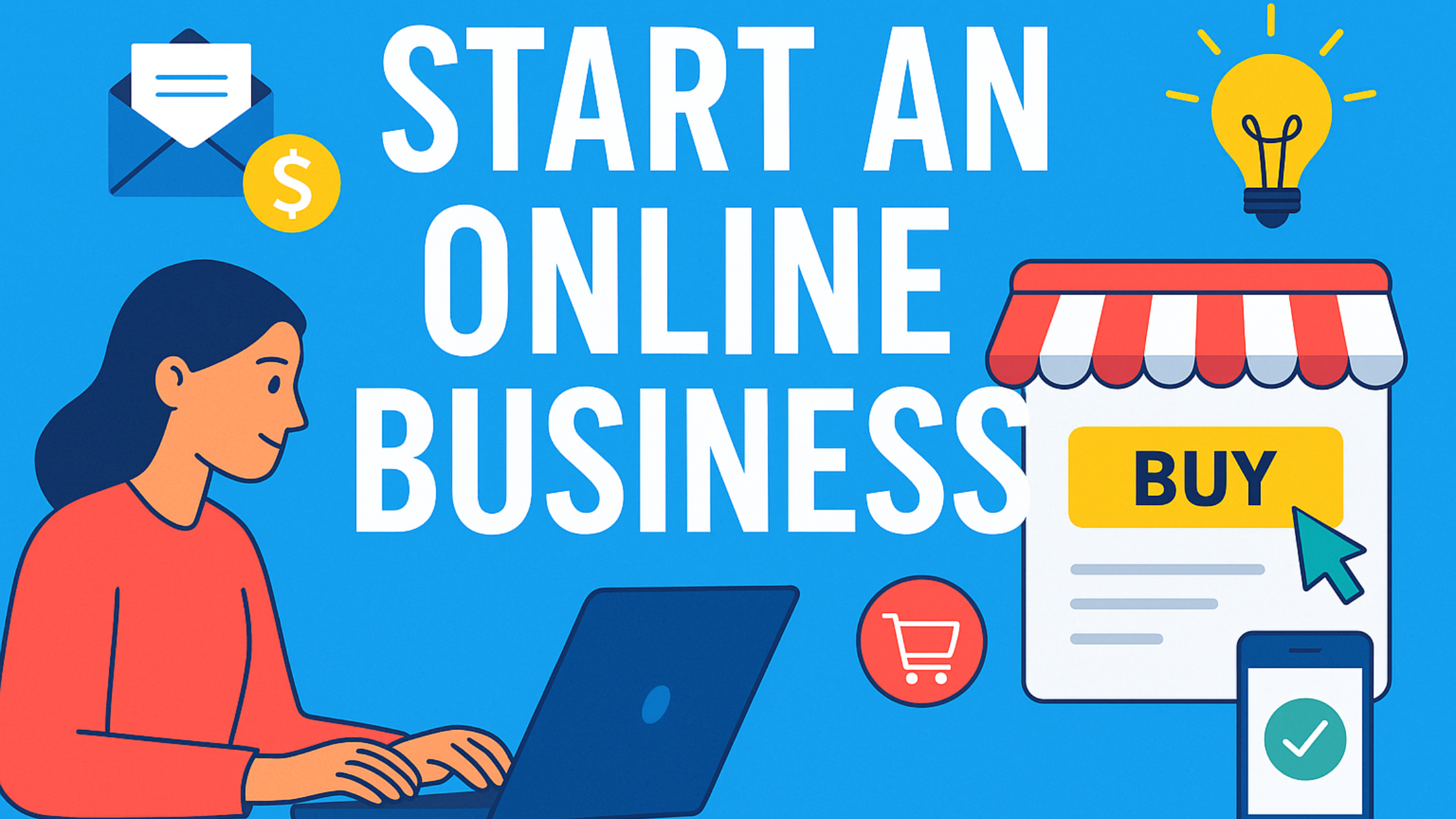
How to Start an Online Business
The starting of an online business begins with choosing a profitable niche, creating a strong business plan, building a website, and setting up secure payment options. Focus on marketing through SEO and social media while offering quality products or services. Consistent improvement and customer trust are key to long-term growth here in it.
Key Insights for the Blog
These highlight what the reader will learn:
- Starting an online business requires clear planning, research, and execution.
- Choosing the right niche and validating your idea reduces the risk of failure.
- A strong online presence (website + social media) is essential for building trust and sales.
- Legal registration and payment setup protect and streamline your business operations.
- Marketing—especially SEO, social media, and paid ads—drives long-term success.
- Continuous improvement and analytics help scale your online business effectively.
Introduction to Online Business
What is an online business?
An online business is any business online that operates primarily through the internet, offering products, services, or digital solutions. Many people search for the online business meaning to understand how digital platforms help them start and grow their work. The power of online business comes from its flexibility, wide reach, and low startup cost. Today, an internet business can be launched easily using an online business app, making digital entrepreneurship more accessible than ever.
The benefits of online business include global visibility, automation, reduced expenses, and the ability to scale quickly. These advantages make the advantages of online business especially appealing to new entrepreneurs. For beginners, guides like online business kaise karen help them get started step-by-step. Many also explore online business ideas without investment to begin with minimal risk.
Whether you aim to build an internet center business plan, explore net business solutions, or develop a strong business net presence, an online business opens endless opportunities.
Why is starting an online business profitable today?
Starting an online business today is easier and more rewarding because of several clear reasons. One major factor is why online business is profitable, as entrepreneurs now enjoy benefits of online business which provide flexibility, more reach, and lower startup costs. The advantages of online business also include access to online earning opportunities and the rise of trend online, which makes digital platforms more powerful than ever. Many people choose low investment online business models or explore online business ideas without investment to get started quickly. With digital business benefits, even a business with low investment and high profit becomes possible. Anyone can also register business online, making operations smoother along with other services like how to pay income tax demand online.
How to Identify a Profitable Business Idea
1. Solve a Real Problem
Look for challenges people face and create a solution they are willing to pay for.
2. Check Market Demand
Research whether enough customers actively search for or need your idea.
3. Study Your Competition
Analyze existing businesses to identify gaps, weaknesses, and opportunities to stand out.
4. Assess Profit Potential
Calculate costs, pricing, and expected profit margins to ensure financial viability.
5. Test the Idea Quickly
Use surveys, prototypes, or small launches to validate customer interest before investing heavily.
6. Evaluate Long-Term Sustainability
Choose ideas that can grow, adapt, and stay relevant as trends and technology evolve.
How to Conduct Market Research
1. Define Your Target Audience
Identify who your potential customers are based on age, location, interests, income level, and buying behavior.
2. Analyze Market Demand
Use tools like Google Trends, Keyword Planner, and social media insights to check if people are actively searching for your product or service.
3. Study Your Competitors
Look at competitors’ websites, pricing, reviews, and marketing strategies to understand what works and where gaps exist.
4. Identify Market Gaps
Find unmet needs, poor customer service areas, or products that can be improved—these gaps often reveal profitable opportunities.
5. Collect Customer Feedback
Use surveys, polls, interviews, or social media groups to gather real opinions about customer needs and preferences.
6. Validate Your Product Idea
Test demand by launching a simple prototype, pre-order page, or minimum viable product (MVP) to see if customers are willing to pay.
7. Analyze Pricing and Profitability
Study what customers are willing to spend, compare competitor pricing, and calculate whether you can sell profitably.
8. Document Market Findings
Create a summary of insights: demand level, target customers, competitors, pricing, and opportunities. Use it to refine your business plan.
How to Register Your Online Business
1) Choose a Legal Structure & Business Name
- Decide: Sole Proprietorship, Partnership, LLP, Private Ltd. or single-member company.
- Check name availability (MCA for companies/LLPs in India; local registry elsewhere).
- Reserve the name if required.
2) Register the Business Entity
- Sole proprietorship: register via local municipal/Shop & Establishment (optional) and get GST/PAN when needed.
- Partnership/LLP: file partnership deed / LLP agreement and register with state/MCA.
- Private Limited/One-Person Company: incorporate via MCA (SPICe+ in India) or your country’s company registry.
Docs: ID, address proof, PAN, proof of business address, partner/director info, DSC (for companies).
3) Obtain Tax IDs & GST
- Apply for PAN (India) or business tax ID in your country.
- Apply for TAN if you’ll deduct TDS (India).
- Register for GST if turnover threshold crossed or for interstate supplies / e-commerce.
- Register for other tax schemes as applicable.
4) Open a Business Bank Account & Set Up Accounting
- Open a current bank account in the registered business name (bank will require incorporation docs + PAN + address proof).
- Choose simple accounting software (QuickBooks, Zoho Books, Tally, etc.) and maintain KYC-ready records.
5) Register Domain, Trademark & Digital Presence
- Buy a domain and hosting; launch your website and business email.
- Consider trademark registration for brand protection (logo/name).
- Create merchant accounts (payment gateway), and ensure PCI compliance for card payments.
6) Get Additional Licenses & Complete Compliance
- Apply for MSME/Udyam registration (benefits) if eligible.
- If you export, obtain IEC from DGFT.
- Check industry-specific licences (FSSAI for food, IEC/ pharma approvals, professional licences).
- Set up ongoing compliance: GST filings, annual ROC filings (companies), income tax returns, TDS, payroll compliance.
Docs checklist: incorporation certificate, PAN, GSTIN, address proof, bank details, identity proofs, partnership deed/director consent, proprietor affidavit.
Steps to Build Your Online Store or Website
1. Choose the Right Platform
Select a platform based on your business type—Shopify, WooCommerce, Wix, or BigCommerce for e-commerce; WordPress for content-based sites. Ensure it supports payments, SEO, and customization.
2. Pick a Domain Name
Choose a short, brand-focused, and easy-to-remember domain. Make sure it’s available and then register it through platforms like GoDaddy, Namecheap, or your hosting provider.
3. Select Reliable Hosting
If you’re using WordPress or similar platforms, choose fast and secure hosting. For Shopify or Wix, hosting is included.
4. Design Your Store or Website Layout
Customize your theme/template. Ensure a clean, modern, mobile-friendly design with clear navigation and easy checkout flow.
5. Add Essential Pages & Product Listings
Include key pages like Home, About, Contact, Privacy Policy, and product/service pages. Add detailed descriptions, pricing, images, and benefits.
6. Set Up Payment & Shipping Options
Integrate payment gateways like PayPal, Stripe, Razorpay, or UPI. Define your shipping rules (if selling physical products).
7. Optimize for SEO
Use keywords, optimize page titles, add meta descriptions, compress images, and create SEO-friendly URLs to improve rankings.
8. Test Everything Before Launch
Check page loading speed, links, forms, checkout process, mobile responsiveness, and payment flow to ensure a smooth experience.
9. Launch Your Website & Monitor Performance
Publish your site, connect Google Analytics/Search Console, and start tracking traffic, conversions, and user behavior here in it.
Set Up Payment Gateways and Operations
1. COD vs Online Payments:
Offer both Cash on Delivery (COD) and online payment options to meet customer preferences. COD builds trust for new buyers, while online payments ensure quicker cash flow and reduce return rates.
2. Inventory Management:
Use inventory management tools to track stock levels in real-time. This helps prevent overselling, manage product availability, and automate restocking alerts for smoother operations.
3. Shipping and Logistics Setup:
Partner with reliable courier companies to ensure timely deliveries. Set clear shipping charges, enable order tracking, and choose logistics services based on delivery speed, coverage, and cost efficiency.
Create and Upload Product Listings
1. Use High-Quality Photos:
Capture clear, well-lit, and professional images from multiple angles to build trust and showcase product details effectively. High-resolution visuals significantly improve click-through and purchase rates.
2. Write SEO-Optimized Descriptions:
Explain product features, benefits, and usage in simple language while naturally including relevant keywords. Optimized descriptions help your listings rank higher on search engines and marketplace searches.
3. Set a Smart Pricing Strategy:
Research competitor pricing, calculate your cost and profit margin, and choose a strategy—competitive, value-based, or bundle pricing—that attracts customers while keeping your business profitable.
Promote Your Online Business
1. Use Social Media Marketing
Share valuable content on platforms like Instagram, Facebook, and LinkedIn to build brand visibility. Engage with your audience through reels, posts, live sessions, and collaborations to increase trust and reach.
2. Focus on SEO & Content Marketing
Optimize your website with targeted keywords, create helpful blog posts, and maintain a strong content strategy. This helps improve your ranking on search engines and brings consistent organic traffic without heavy spending.
3. Run Paid Ads (Google, Facebook, Instagram)
Use paid advertising to reach specific audiences quickly. Google Ads boost search visibility, while Facebook and Instagram ads help showcase products visually, drive traffic, and increase conversions with targeted campaigns.
Manage, Analyze & Grow Your Business
1.Track Sales Performance:
Monitor daily and monthly sales using tools like Google Analytics, Shopify, or your marketplace dashboard. Identify best-selling products, peak buying hours, and conversion rates to understand what’s working.
2. Use Customer Feedback to Improve:
Collect reviews, ratings, and support queries to find gaps in product quality, delivery, or service. Implement improvements based on consistent customer suggestions to build trust and enhance the overall experience.
3. Apply Smart Scaling Strategies:
Once your business is stable, expand by adding new products, targeting new locations, or running advanced marketing campaigns. Automate processes like inventory and order management to handle increased demand smoothly.
Conclusion:
Starting an online business becomes far easier when you follow the right steps—choosing a clear niche, understanding your audience, building a strong brand, and offering real value through your products or services. With the right strategy and consistent effort, anyone can turn an online idea into a sustainable and profitable business. The key is to start small, stay flexible, and keep improving as you learn and grow here in it.
FAQs:
1. What is the first step to starting an online business?
The first step is identifying a profitable niche—something you can offer that solves a specific problem or meets a clear demand in the market.
2. Do I need a website to start an online business?
A website is highly recommended because it gives your business credibility and full control, but you can start on platforms like Instagram, WhatsApp, or marketplaces before building one.
3. How much investment is required to start an online business?
Investment depends on the type of business, but many online businesses can start with a small budget—for domain, hosting, marketing, and product development.
4. How do I promote my online business?
You can use digital marketing methods such as SEO, social media marketing, Google ads, content creation, email marketing, and influencer collaborations.
5. What legal requirements do I need to start an online business?
You may need basic registrations like a business name, GST (if applicable), and payment gateway compliance. Requirements vary based on your location and the type of business.
Related Posts:

DGFT IEC Registration: Step-by-Step Guide for New Exporters
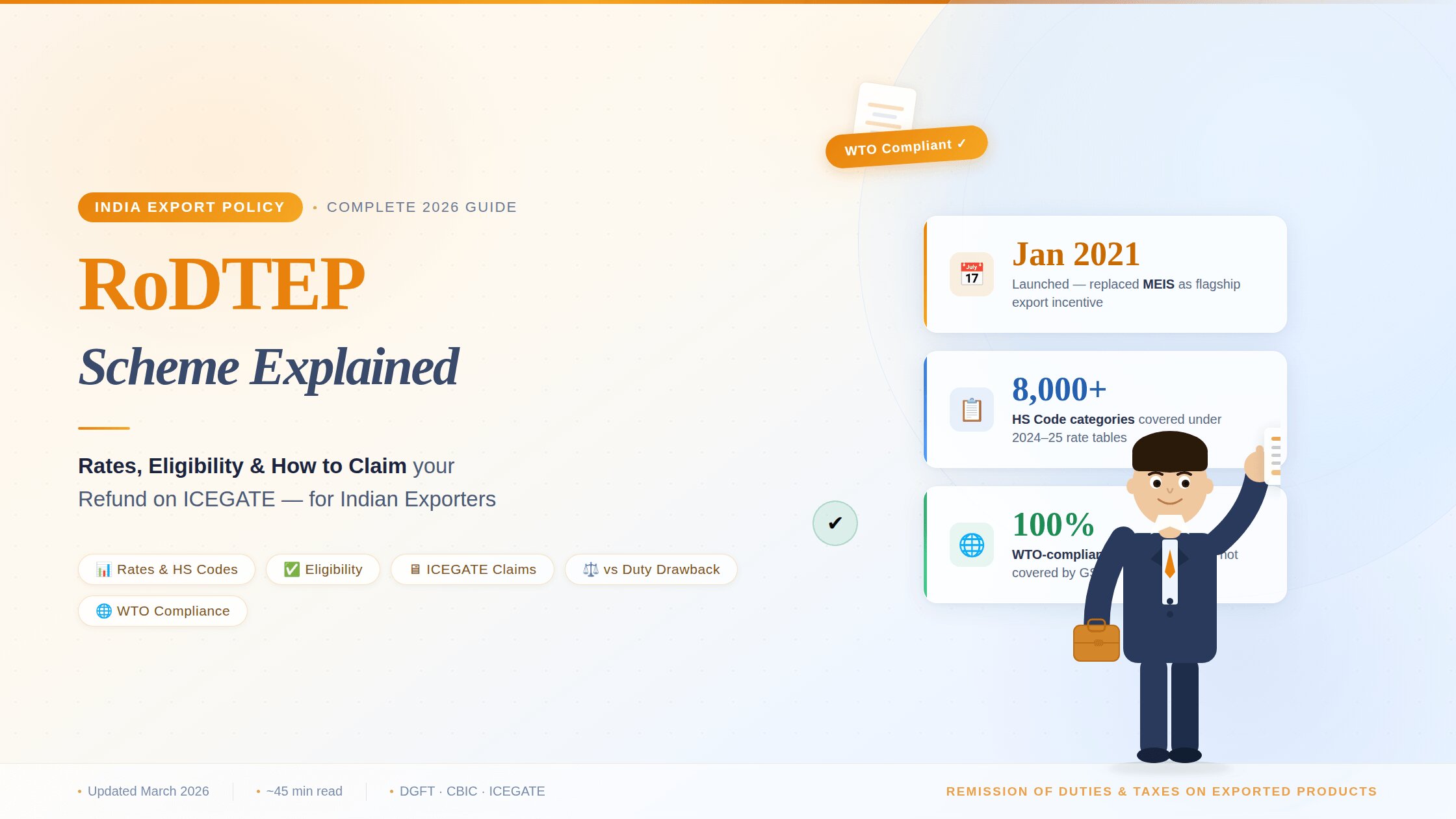
RoDTEP Scheme Explained: Understand How to Claim Your Refund in 2026