
How to Find and Connect with International Buyers
Finding and connecting with global customers starts with understanding how to find buyers for export and identifying reliable platforms where you can find international buyers online. Many exporters begin by exploring an international buyers website or searching for an updated international buyers list to reach the right audience. It is equally important to learn how to find genuine buyer for export, ensuring that every international buyer you approach is a verified buyer who values long-term partnerships.
As you expand your outreach, focus on how to find international buyers through digital networks, B2B portals, and trade directories. Professionals working in import export jobs or export jobs often rely on these platforms to export contacts and discover new opportunities. Whether you want to strengthen your buyer database or understand how to export contacts, the goal is to build trust and connect effectively. With consistent effort, exporters can successfully find buyers for export and grow their global presence.
Key Insights for This Topic
- The biggest challenge exporters face is finding verified and genuine buyers.
- Modern buyer sourcing is shifting toward digital platforms, especially LinkedIn, B2B portals, and SEO-driven websites.
- Trust-building elements like certifications, samples, and transparent pricing are critical to winning international buyers.
- Consistent follow-up and communication convert more leads than one-time messaging.
- Trade shows, EPCs, and importer databases still remain powerful sources for reliable buyers.
What Does an International Buyer Look For?
Finding and connecting with international buyers requires trust, clarity, and smooth business processes. Exporters must first understand export compliance and obtain the right export compliance certification, as global buyers often check these before placing orders. Equally important is preparing all documents required for export, and keeping a clear list of documents required for export to avoid delays. Buyers prefer working with companies known for reliable exports, where the order and fulfillment steps are transparent and efficient. Understanding order fulfillment meaning and building a strong order fulfillment process helps exporters deliver products on time, which increases trust. Financial solutions like export factoring can also support smoother transactions and make your business more attractive to global buyers.
How to Identify the Right International Market
- Conduct Market Research:
Start by analyzing global trade data, industry reports, and country-specific market trends. Identify regions where your product category is growing, and evaluate economic stability, import regulations, and buyer behavior.
- Product Demand Analysis:
Study which countries show consistent or rising demand for your product. Check import volumes, customer preferences, seasonal trends, and gaps in the existing supply. This helps you target markets with higher potential and fewer risks.
- Competitor & Price Research:
Identify your major international competitors, their product quality, market share, and pricing models. Compare landed costs, target margins, and average buyer expectations to determine whether your product can remain competitive and profitable in that market.
Best Ways to Find International Buyers
1. Identify Your Target Market
Start by researching which countries have demand for your product. Study import data, market trends, buyer preferences, and competitor presence.
2. Use B2B Marketplaces
Register on platforms like Alibaba, IndiaMART, TradeIndia, Global Sources, and ExportHub. These portals help exporters connect with verified international buyers.
3. Join Export Promotion Agencies
Connect with organizations like Export Promotion Councils (EPCs), FIEO, APEDA, or EEPC. They provide buyer lists, trade leads, and market insights.
4. Attend Trade Fairs & Exhibitions
Participate in international or virtual trade shows to meet buyers face-to-face, showcase products, and build strong business relationships.
5. Leverage Social Media & Digital Marketing
Use LinkedIn, Facebook, and Instagram to promote your products. Create a professional website, run ads, and engage with potential buyers online.
6. Use Importer Databases & Directories
Access importer lists, global trade directories, and government-approved buyer lists to connect with genuine international buyers.
7. Reach Out Through Email & Cold Outreach
Prepare a strong company profile and product catalog. Send personalized emails to buyers, highlighting quality, pricing, and USP.
8. Work with Freight Forwarders & Export Agents
Many freight companies and export agents have existing global buyer networks. They can help you find reliable buyers easily.
9. Network with Local Exporters & Associations
Join local exporter communities to share resources, learn from experience, and get referrals for international buyers.
10. Ensure Compliance & Reliability
Buyers prefer exporters who follow documentation, quality standards, and timely delivery. Build trust by being professional and consistent.
How to Connect with International Buyers Effectively
1. Create a Professional Company Profile
Start with a clean and trustworthy company profile that includes your product details, certifications, manufacturing capacity, and contact information. A strong profile builds confidence in buyers.
2. Prepare a Clear Product Catalog
Share a well-designed product catalog with high-quality images, specifications, pricing options, and packaging details. Buyers respond faster when information is complete.
3. Reach Out with Personalized Communication
Avoid generic messages. Write personalized emails or messages addressing the buyer’s needs, market, and challenges. Show how your product can benefit their business.
4. Respond Quickly and Professionally
International buyers expect quick communication. Reply promptly, keep your messages clear, and provide accurate answers to build trust.
5. Offer Samples and Pricing Transparently
Buyers often ask for samples to check quality. Provide clear sample policies, shipping details, and transparent pricing to demonstrate your professionalism.
6. Highlight Your Certifications & Compliance
Certifications like ISO, FSSAI, CE, FDA, etc., help buyers evaluate reliability. Share all required compliance documents and quality proofs upfront.
7. Use Video Calls for Better Engagement
Schedule Zoom or WhatsApp video calls to discuss requirements, show your factory setup, and build a strong relationship.
8. Maintain Strong Follow-Up
Follow up politely after sharing your details. Consistent follow-up shows seriousness and helps convert leads into long-term buyers.
9. Build Trust Through Reliability
Deliver on time, keep commitments, and maintain product quality. A reliable exporter naturally attracts more buyers through referrals.
10. Offer After-Sales Support
Stay connected even after the order is completed. Provide updates, ask for feedback, and maintain regular communication to build long-term partnerships.
Common Mistakes to Avoid When Approaching Buyers
1. Overpricing or Unclear Pricing:
Sharing prices that are too high or not properly explained often pushes buyers away. Always provide transparent pricing, include cost breakdowns, and ensure your rates match market standards.
2. Poor Communication:
Delayed replies, unclear messages, or inconsistent follow-ups can make buyers lose interest. Professional, timely, and clear communication builds trust and increases your chances of securing orders.
3. Lack of Product Information:
Buyers need complete details to evaluate your offer. Missing specifications, certifications, packaging info, or quality proofs creates doubt. A well-made product catalog solves this problem.
4. Non-Professional Emails:
Emails with spelling mistakes, unstructured content, or no company profile look unprofessional. Use formal language, clear subject lines, and a proper email signature to make a good first impression.
5. No Samples or Documents:
Refusing or delaying sample requests, or not sharing required documents like test reports, certificates, or product photos, makes your offer appear unreliable. Providing samples and proper documentation helps buyers verify quality and increases confidence.
Tools and Resources to Help You Find Buyers
1. CRMs:
Customer Relationship Management tools like HubSpot, Zoho, or Freshsales help you track buyer inquiries, manage leads, store buyer data, and follow up consistently. CRMs ensure you never miss a potential buyer.
2. LinkedIn Tools:
LinkedIn Sales Navigator, LinkedIn Groups, and export-focused networks help you identify international buyers by industry, location, and purchase intent. These tools make connecting with verified professionals easier.
3. Email Finder Tools:
Tools like Hunter.io, Apollo, and Skrapp help exporters find accurate buyer email addresses from company websites, directories, and LinkedIn profiles. They are excellent for building a genuine outreach list.
4. Website Analytics:
Google Analytics, Search Console, and heatmap tools show which countries, industries, or companies visit your website. These insights help you identify potential buyers and target them with customized communication here in it.
Conclusion:
Finding and connecting with international buyers becomes easier when exporters combine the right market research, smart digital tools, and professional communication. By presenting clear product information, maintaining transparent pricing, and building trust through consistent follow-ups, you can create long-term global partnerships. With the right strategy and reliable outreach methods, any business can successfully enter international markets and grow worldwide.
FAQs:
1. How do I find genuine international buyers for my products?
You can use B2B platforms, export promotion councils, importer directories, LinkedIn, trade fairs, and verified buyer databases to find genuine global buyers.
2. Which online platforms are best for finding international buyers?
Websites like Alibaba, Global Sources, IndiaMART, TradeIndia, and ExportHub are trusted platforms for connecting with international buyers.
3. How can I verify if an international buyer is genuine?
Check their company registration, website, import history, reviews, certifications, and request documents like purchase orders or business licenses.
4. What type of product information should I share with buyers?
Include specifications, quality certifications, packaging details, samples, pricing, and delivery timelines to help buyers make informed decisions.
5. How can I communicate effectively with international buyers?
Use clear, professional language, respond promptly, personalize your messages, and maintain consistent follow-up.
6. Do I need a company profile to approach international buyers?
Yes. A strong company profile helps build trust and makes your business look credible and well-established.
7. What documents should I prepare before contacting buyers?
Prepare a product catalog, price list, certifications, export licenses, company profile, and sample policies.
8. Can social media help in finding international buyers?
Yes. LinkedIn, Facebook, Instagram, and YouTube are effective for showcasing products, running targeted ads, and connecting with potential buyers worldwide.
9. How important are trade fairs and exhibitions for finding buyers?
Trade fairs offer direct interaction, quicker trust-building, and high-quality leads, making them one of the best ways to connect with global buyers.
10. What is the best follow-up strategy after contacting a buyer?
Send a polite reminder after 2–3 days, provide additional information, answer queries clearly, and stay consistent without overwhelming the buyer.
Related Posts:
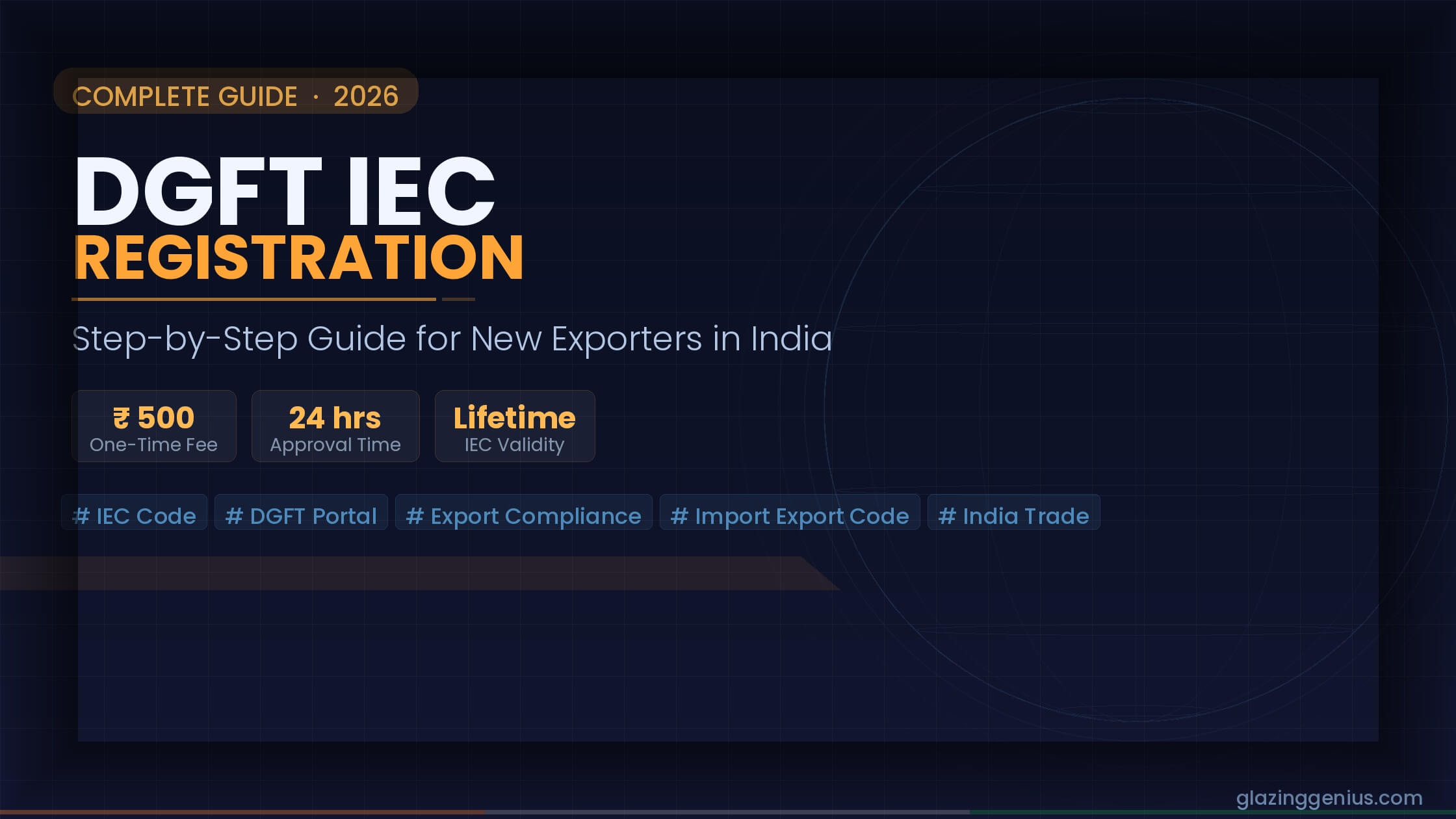
DGFT IEC Registration: Step-by-Step Guide for New Exporters
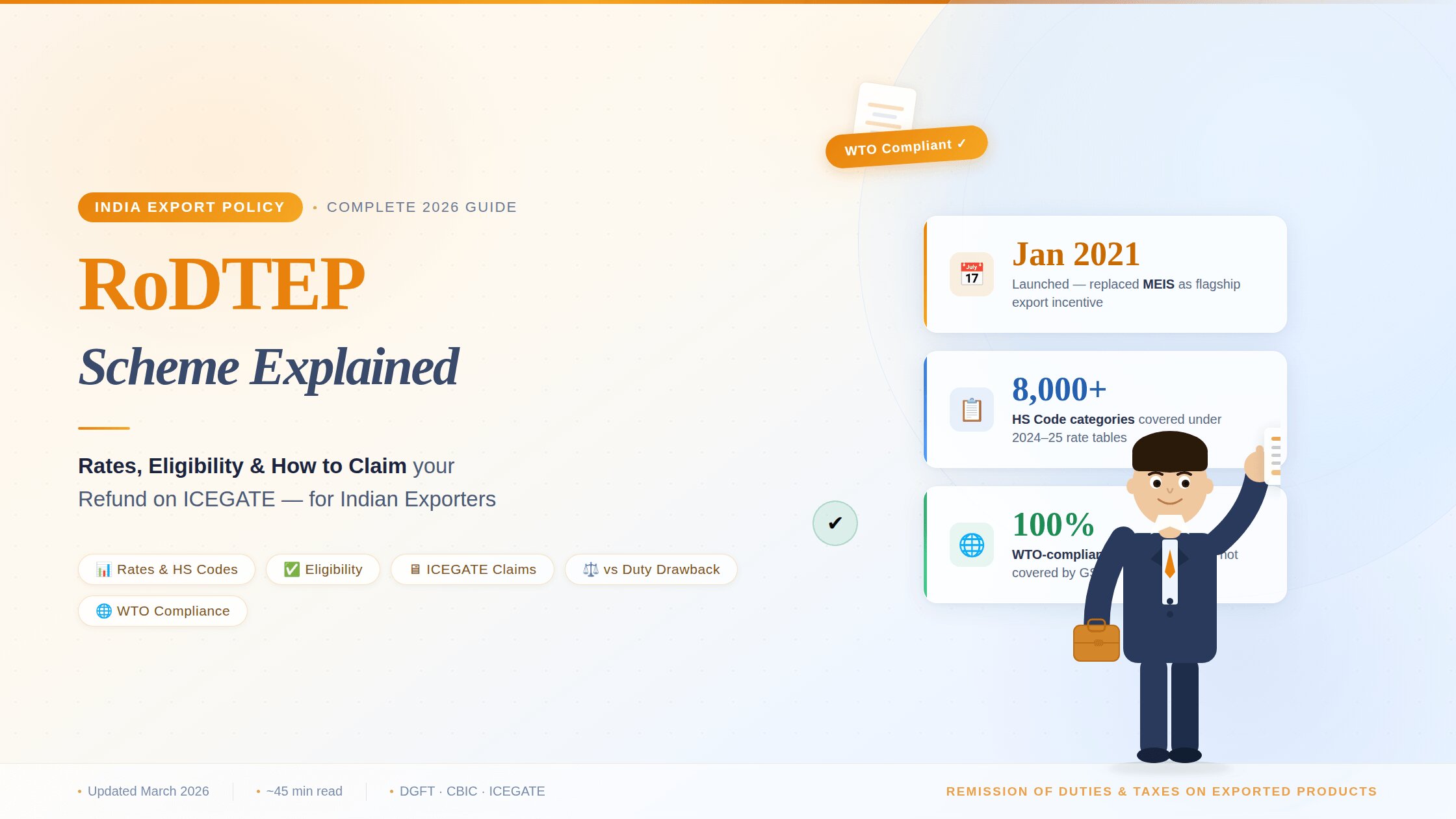
RoDTEP Scheme Explained: Understand How to Claim Your Refund in 2026