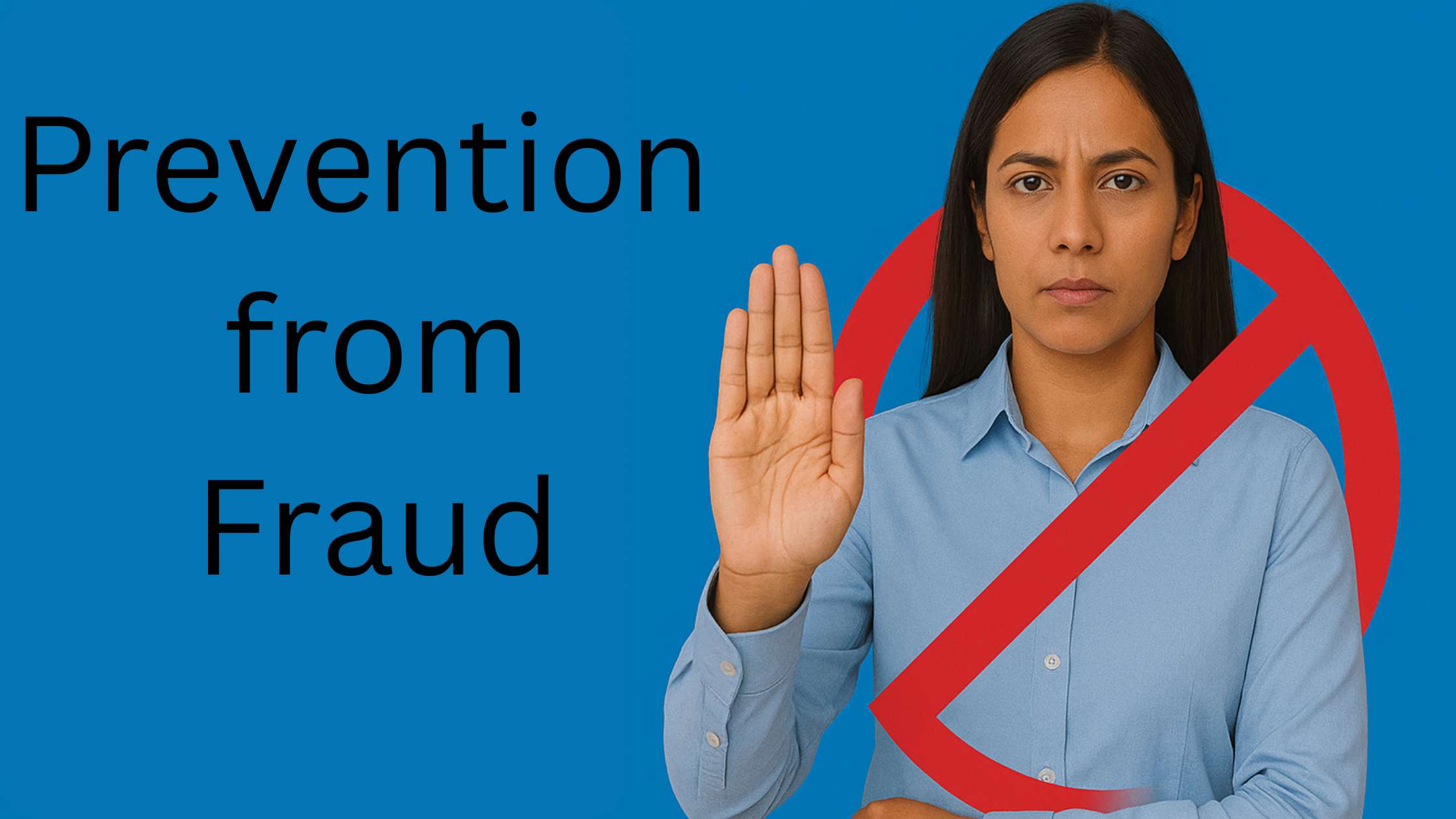
How to Prevent Fraud in Export Business
Preventing fraud in export business is crucial for ensuring safe and reliable international trade. Exporters often encounter risks such as fake buyers, payment scams, and document manipulation. To minimize these threats, businesses should verify buyer credentials, check trade histories, and confirm company authenticity through trusted sources or embassies. Using secure payment options like Letters of Credit (LC) or Escrow services helps prevent financial losses. Exporters should also maintain accurate documentation and follow DGFT guidelines for compliance and transparency. Partnering with verified agents or trade platforms further enhances safety. By prioritizing due diligence, adopting digital verification tools, and staying updated on trade regulations, exporters can effectively prevent fraud and build secure, long-term global business relationships.
Key Insight:
- Export frauds include fake orders, non-payments, and document manipulation.
- Due diligence and buyer verification are essential before any deal.
- Use trusted payment systems like LC, Escrow, or bank guarantees.
- Rely on DGFT and EPCs for trade verification and compliance.
- Technology and transparency are key to preventing export fraud.
Understanding Fraud in Export Trade
In order to understand about the Fraud in export trade which here refers to deceptive practices or scams that occur during international business transactions by the scammer for their profit, which often leads to financial loss of the genuine exporters , shipment disputes, or damaged reputations. Such frauds can take many forms—fake buyers placing false orders, forged documents, payment defaults, or manipulation of shipping and customs papers. Exporters, especially new or small businesses, are often targeted due to lack of experience or weak verification processes.
The practice of this export fraud begins with recognizing common red flags such as unrealistic offers, unverified foreign companies, or requests for advance payments. Fraudsters often use fake websites, emails, and documents that appear genuine. Therefore, conducting buyer verification, using secure payment methods like Letters of Credit (LC) or Escrow, and dealing through authorized trade channels are essential preventive measures.
By staying informed, following DGFT regulations, and using digital authentication tools, exporters can protect themselves, ensure transparency, and maintain safe, trustworthy international trade relationships.
Types of Frauds in Export Business
- Advance Fee and Payment Fraud
In this type of fraud the practice of fee demand in advance and payment also here without seeing the government fee guidelines and fee structure the unknown exporter generally targeted by the scammer here in it.
- Fake Buyers and False Orders
Fake buyers and false orders are common export scams where fraudsters pose genuine importers to deceive exporters. They place large or urgent orders, often demanding advance shipments or personal details, and then disappear without payment. Verifying buyer credentials and using secure payment methods can prevent such frauds.
- Documentation and Customs Frauds
Documentation and customs frauds in export business involve manipulation of shipping papers, invoices, or customs declarations to evade taxes or deceive trading partners. Such frauds can lead to legal issues and financial loss. Ensuring accurate documentation, compliance with customs laws, and digital verification helps prevent these fraudulent activities.
- Phishing or Online Scams
Phishing or online scams in export business involve in making the fake identity like- fake emails or websites, fake paper document, fake business logo, fake identity cards which often mimic legitimate buyers, banks, or trade portals to steal sensitive information or payments. Exporters may unknowingly share financial or shipment details. Using verified communication channels and secure websites helps protect against such cyber frauds.
- Misrepresentation of Goods or Quality
Misrepresentation of goods or quality in export business occurs when sellers or buyers provide false details about product specifications, standards, or authenticity. This leads to disputes, financial losses, and damaged business reputation. Maintaining transparency, using quality certifications, and verifying goods before shipment help prevent such fraudulent practices.
Key Strategies to Prevent Fraud in Export Business
- Verify Buyers and Their Credentials
- Use Secure Payment Methods (LC, Escrow, Bank Guarantee)
- Maintain Transparent Documentation
- Deal Through Trusted Export Agents or Platforms
- Use DGFT and EPC Resources for Verification
Legal and Government Support for Exporters
Legal and government support for exporters includes guidelines from the DGFT, Export Promotion Councils, and FIEO to ensure safe trade. These bodies provide verified databases, issue licenses like the IEC, and promote digital documentation to prevent scams. Regular compliance checks and awareness programs help exporters operate securely and confidently.
Government Guidelines for Exporters in prevention from Fraud
- Obtain an Importer-Exporter Code (IEC)
Every exporter must register with the Directorate General of Foreign Trade (DGFT) and obtain an IEC — a mandatory identification code that ensures trade authenticity and traceability.
- Verify Buyers Before Trade
Exporters should verify the credentials of foreign buyers using Indian embassies, trade consulates, or international trade directories to confirm legitimacy before shipping goods or sharing sensitive details.
- Use Secure Payment Methods
The Reserve Bank of India (RBI) advises exporters to use Letters of Credit (LC), Bank Guarantees, or Escrow services for payment security instead of accepting direct or advance transfers from unknown entities.
- Follow DGFT and RBI Compliance
All export transactions must comply with Foreign Trade Policy (FTP) and Foreign Exchange Management Act (FEMA) norms to avoid legal complications and ensure safe trade practices.
- Register with Export Promotion Councils (EPCs)
EPCs like FIEO, APEDA, or EEPC India provide verified trade connections, market intelligence, and support to help exporters avoid fraudulent buyers and markets.
- Maintain Accurate Documentation
Exporters should ensure all documents—invoices, shipping bills, and certificates of origin—are digitally verified and filed through authorized government portals like ICEGATE or DGFT Online.
- Participate in Government Training and Awareness Programs
DGFT and EPCs frequently conduct export awareness programs on fraud prevention, digital trade safety, and compliance best practices for exporters.
- Use Digital Verification Tools
Platforms like DGFT’s eBRC, Indian Trade Portal, and ICEGATE allow exporters to track, verify, and secure trade documents online to reduce fraud risks.
Conclusion:
Here we came to the conclusion that preventing fraud in export business requires awareness, due diligence, and adherence to government guidelines. Exporters should verify buyers, use secure payment methods, maintain proper documentation, and follow DGFT regulations to ensure safe, transparent, and trustworthy international trade operations while minimizing the risk of scams and financial losses.
FAQs:
1. What are common types of fraud in the export business?
Common frauds include fake buyers, false purchase orders, forged documents, phishing scams, and misrepresentation of goods or payment details.
2. How can exporters verify international buyers?
Exporters can verify buyers by checking their business registration, trade history, credit reports, and certifications. It’s advisable to use DGFT, export promotion councils, or verified B2B platforms for background checks.
3. What payment methods are safest for exporters?
Secure methods like Letters of Credit (LCs), Escrow Accounts, and Bank Guarantees are recommended to ensure payment safety and reduce the risk of non-payment or fraud.
4. How can exporters protect themselves from online scams?
Avoid sharing sensitive data via unsecured channels, confirm all communications through verified business emails, and use secure export management portals to handle transactions.
5. What legal support is available for exporters facing fraud?
Exporters can seek help from the Directorate General of Foreign Trade (DGFT), Export Promotion Councils (EPCs), and government-backed dispute resolution mechanisms such as arbitration or conciliation.
6. How does documentation help prevent export fraud?
Maintaining transparent, accurate, and verifiable documentation—such as invoices, shipping bills, and contracts—helps ensure authenticity and serves as legal evidence in case of disputes.
7. What are DGFT’s initiatives to prevent export fraud?
DGFT promotes transparency by issuing Importer-Exporter Codes (IECs), digitalizing trade processes, and maintaining verified exporter databases to minimize fraudulent activities.
Related Posts:
DGFT IEC Registration: Step-by-Step Guide for New Exporters
RoDTEP Scheme Explained: Understand How to Claim Your Refund in 2026